
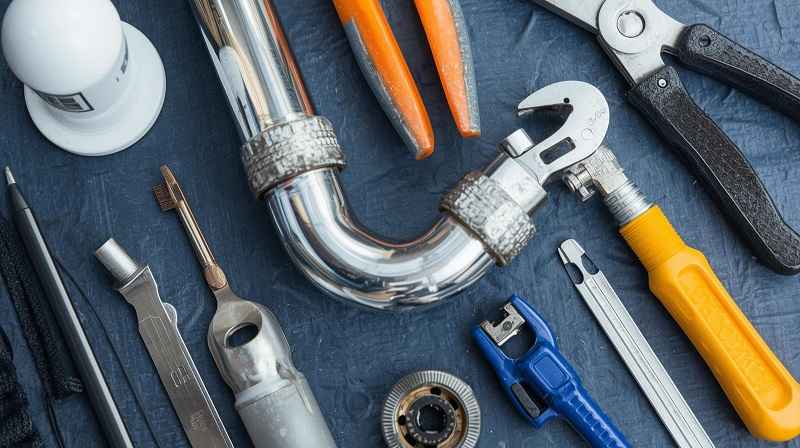
A bathroom remodel is one of the best times to identify and correct plumbing issues that may already be affecting your home. Many homeowners begin remodeling for visual reasons. They want a more modern bathroom, better storage, improved lighting, or a more functional layout. But once walls, flooring, and fixtures start coming out, hidden problems often come to light. That is why plumbing repair should never be treated as an afterthought during a bathroom renovation.
Plumbing problems do not always announce themselves in dramatic ways. Sometimes the warning signs are subtle: a slow drain, a small stain on the wall, inconsistent water pressure, or a fixture that never seems to work quite right. These issues may seem minor on the surface, but during a remodel, they can reveal deeper concerns that deserve attention before new materials are installed.
Ignoring plumbing repair needs during a bathroom renovation can lead to future leaks, water damage, mold, poor drainage, or the need to tear into finished work later. In contrast, addressing these issues while the room is already under construction can save time, protect the remodel investment, and improve long-term performance. If you are planning a renovation with professional bathroom remodeling services, understanding the most important plumbing warning signs can help you make smarter decisions from the start.
Why Bathroom Remodels Reveal Plumbing Problems
Bathrooms are full of plumbing connections, water supply lines, drains, shutoff valves, and fixture components. Over time, even a well-used bathroom can develop wear behind the scenes. Pipes age, seals weaken, drains collect buildup, and small leaks can continue unnoticed inside walls or under floors.
During a remodel, contractors often remove vanities, tubs, toilets, flooring, or sections of drywall. Once those layers are opened up, plumbing issues that were previously hidden may become visible. What looked like a cosmetic renovation can quickly turn into a chance to correct deeper mechanical problems before the new bathroom is installed.
This is actually a good thing. Discovering plumbing issues during a remodel gives homeowners the opportunity to fix them at the most practical moment. The room is already being worked on, and access is easier than it would be after the project is complete. Plumbing repair during a remodel is often far less disruptive than plumbing repair after everything has been finished and sealed back up.
Persistent Leaks Are a Major Warning Sign
One of the clearest indicators that plumbing repair is needed is any sign of leaking. Even a minor leak can cause larger damage over time, especially in a bathroom where moisture is already present. Water can seep into drywall, flooring, cabinetry, and framing, creating the conditions for rot, mold, and structural deterioration.
Leaks may appear around sinks, beneath vanities, near toilet bases, behind walls, or around tubs and showers. Sometimes homeowners notice discoloration, soft materials, or a musty odor before they ever see active dripping. In other cases, the leak only becomes visible once a fixture is removed during demolition.
No bathroom remodel should move forward without investigating the source of a leak. Covering the issue with new tile, new flooring, or fresh paint does not solve the problem. It simply hides it until the damage becomes worse. Persistent moisture is one of the most important signs that plumbing repair deserves immediate attention.
Slow Drains Can Signal Bigger Problems
A drain that moves slowly is easy to dismiss, especially if it has been happening for a long time. Many homeowners assume the issue is minor, but a slow drain can point to blockage, pipe buildup, venting issues, or drainage problems deeper in the plumbing system.
During a bathroom remodel, this is the ideal time to evaluate drainage performance. A sink that drains slowly, a tub that holds water longer than it should, or a shower that pools water at your feet may all indicate plumbing repair needs that should be resolved before new fixtures go in.
Drain issues are especially important because they affect daily comfort and functionality. A newly remodeled bathroom will never feel fully upgraded if the shower still drains poorly or the vanity sink backs up too easily. When plumbing performance is already compromised, replacing the visible finishes alone will not create the result homeowners actually want.
Water Pressure Problems Should Not Be Overlooked
Low or inconsistent water pressure is another common sign that plumbing repair may be necessary. Sometimes the issue is isolated to one fixture, while in other cases it affects the entire bathroom. The cause may involve mineral buildup, old supply lines, faulty valves, or outdated plumbing components that no longer function as they should.
A bathroom remodel often includes replacing faucets, showerheads, and other fixtures, but new fixtures cannot always solve a deeper plumbing issue. If the supply system behind the wall is restricted or deteriorated, performance problems may continue even after the visible parts are upgraded.
Homeowners who are investing in a bathroom remodel usually expect the finished space to feel better in every way. That includes reliable water flow. If the current bathroom struggles with pressure issues, the remodel is the right time to determine whether plumbing repair or line replacement is needed.
Stains, Soft Spots, and Musty Odors Often Point to Hidden Water Damage
Some plumbing problems reveal themselves through damage to surrounding materials rather than obvious fixture issues. Water stains on ceilings or walls, soft flooring near the toilet or vanity, peeling paint, warped baseboards, or persistent musty odors can all point to hidden moisture caused by plumbing problems.
These signs matter because water often travels before it becomes visible. The stain you see may not be directly below the original leak. Moisture can move through framing, insulation, and subflooring before finally appearing in a noticeable area. That makes proper inspection especially important during a remodel.
If soft spots or odor issues are present, it is not enough to replace the surface material and move on. The source of the water needs to be identified and repaired. Otherwise, the same issue may return and damage the new bathroom from underneath.
Old Plumbing Components Can Undermine a New Remodel
A bathroom remodel is also a logical time to evaluate the age and condition of existing plumbing components. Even if there is no active leak today, older shutoff valves, corroded supply lines, worn drain assemblies, or outdated connections may be approaching the end of their useful life.
This is especially relevant in older homes. Plumbing systems that have performed for many years may still function, but once the room is opened and new fixtures are being installed, it often makes sense to update vulnerable components before closing everything back up again.
Homeowners sometimes hesitate to replace plumbing that is “still working,” but the better question is whether it is reliable enough to support a newly renovated bathroom. A remodel is an investment, and it rarely makes sense to place fresh materials over plumbing that is already showing age-related weakness.
Toilet Issues Can Be More Serious Than They Seem
Toilets are one of the most common sources of hidden bathroom plumbing problems. A toilet that rocks slightly, leaks at the base, clogs frequently, or never seems to flush as well as it should may be signaling a deeper issue. The wax ring may have failed, the flange may be damaged, or the drain line itself may need attention.
During remodeling, the toilet is usually removed, which creates a perfect opportunity to inspect the condition of the surrounding floor and the plumbing beneath. In some cases, what appears to be a minor toilet issue may actually involve subfloor damage caused by slow leakage over time.
These are not problems to ignore. Toilet-related plumbing repair is often much easier and more cost-effective when handled during renovation instead of after a finished floor has been installed.
Shower and Tub Plumbing Deserve Special Attention
Showers and tubs involve multiple plumbing elements, including supply lines, valves, drains, and waterproofing transitions. If a homeowner has noticed inconsistent temperature, poor drainage, dripping behind the wall, or signs of moisture near the tub or shower, those issues should be investigated before the remodel proceeds.
This is particularly important because shower and tub areas are among the most expensive parts of a bathroom to rebuild after the fact. Once tile, waterproofing systems, glass, and fixtures are installed, plumbing access becomes far more limited. Addressing shower and tub plumbing repair early helps prevent the need for destructive work later.
A remodeled shower should not only look better. It should also function reliably with strong drainage, stable water temperature, and properly sealed connections behind the walls.
Plumbing Repair Protects the Value of the Remodel
Homeowners often focus on finishes because that is what they see every day. Tile, vanities, mirrors, lighting, and paint all shape the visual impression of the bathroom. But the true value of the remodel depends just as much on what is happening behind the walls and beneath the floor.
A beautiful bathroom built over unresolved plumbing issues is vulnerable from the start. Small leaks can damage cabinetry, poor drainage can frustrate daily use, and aging components can fail shortly after the project is complete. When plumbing repair is handled properly during the remodel, the finished space is more reliable, more functional, and better protected over the long term.
That is one reason experienced bathroom remodel contractors often treat plumbing evaluation as a key part of renovation planning. Visual improvements matter, but they should be supported by systems that work as well as the room looks.
Closing Thoughts
A bathroom remodel is more than a design upgrade. It is also a chance to uncover and fix plumbing problems before they become more expensive and disruptive. Leaks, slow drains, low water pressure, old supply lines, hidden moisture, and fixture-related issues are all signs that plumbing repair may be necessary during the renovation process.
The smartest remodeling decisions are not always the most visible ones. Sometimes the most valuable upgrade is the one that prevents future damage, supports better function, and protects the investment being made in the room. Addressing plumbing issues while the bathroom is already under construction is often the most practical and cost-effective time to do it.
For homeowners planning a renovation, paying attention to plumbing repair signs can lead to a stronger, more durable result. A successful bathroom remodel should not only look new. It should perform like new as well.