
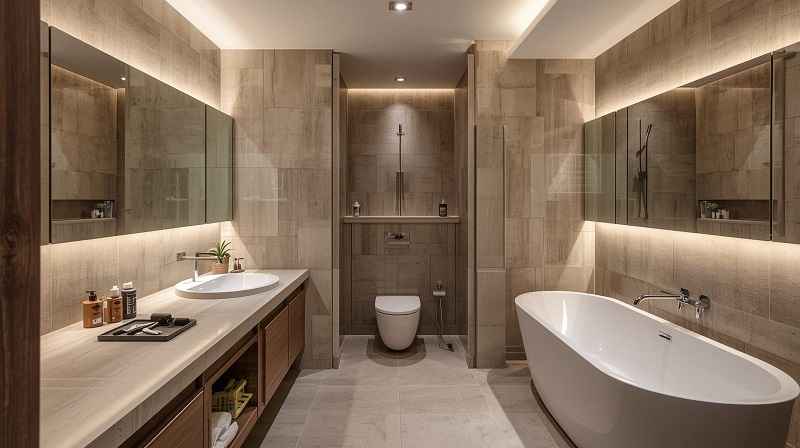
Understanding bathroom remodel cost is one of the most important steps for any homeowner planning a renovation. While many people begin with design inspiration, the budget is what ultimately shapes the size, scope, and finish level of the entire project. A remodel can range from a modest update to a full transformation, and the final cost depends on far more than tile and fixtures alone.
The truth is that bathroom pricing is influenced by a combination of labor, materials, layout decisions, plumbing complexity, finish quality, and hidden conditions behind the walls. That is why two bathrooms that look similar on the surface can have very different price points once the work begins. Without a clear understanding of cost drivers, homeowners often underestimate the budget and run into delays, compromises, or unexpected expenses.
Planning ahead helps you make better decisions and avoid spending in the wrong places. It also makes it easier to prioritize upgrades that improve comfort, function, and resale value. If you are exploring professional bathroom remodeling services, knowing what affects bathroom remodel cost can help you create a more realistic plan from the beginning.
The Size of the Bathroom Matters
One of the most obvious factors affecting bathroom remodel cost is the size of the room. Larger bathrooms typically require more flooring, more tile, more paint, more labor, and often more fixtures. Even if the design is simple, the amount of material needed increases with square footage.
A smaller bathroom may appear less expensive to remodel, and in many cases it is, but compact spaces can still become costly if the work is detailed or the layout is difficult. Tight bathrooms sometimes require more precise labor for tile cuts, plumbing access, and fixture placement. In other words, a small room does not always mean a small bill.
Primary bathrooms also tend to cost more than guest bathrooms or powder rooms because they usually involve larger showers, more storage, upgraded finishes, and a greater emphasis on comfort and appearance. The more features the room includes, the more the budget tends to grow.
Layout Changes Can Raise the Price Quickly
If you want to keep bathroom remodel cost under control, one of the best decisions is often to maintain the existing layout. Moving a toilet, shower, bathtub, or vanity usually increases labor costs because it affects plumbing lines, drainage, wall openings, and sometimes electrical work as well.
Layout changes can absolutely be worth it when the current bathroom is inefficient or awkward, but they should be approached carefully. A layout redesign is not just about moving fixtures to improve the look of the room. It also involves construction complexity and code considerations. The farther plumbing and drain lines need to move, the more the project cost can increase.
Homeowners often assume that changing the floor plan is a normal part of every remodel, but in reality, many successful renovations keep the basic layout and focus on upgrading what is already there. This can still deliver a dramatic visual improvement while reducing the risk of budget overruns.
Material Quality Plays a Major Role
Materials are one of the biggest pricing variables in any bathroom remodel. Flooring, wall tile, shower surrounds, vanities, countertops, faucets, lighting, mirrors, and hardware all come in wide price ranges. Choosing higher-end products can elevate the finished look, but it also increases the total investment.
For example, flooring choices alone can significantly affect bathroom remodel cost. A homeowner comparing vinyl flooring, tile, laminate options, or luxury finishes may see a major difference in both material price and installation labor. The same pattern applies to vanities, where stock models are generally more affordable than custom cabinetry.
Tile is another major budget factor. Simple ceramic tile is usually more economical than natural stone or specialty designs. Large-format tile, decorative layouts, accent walls, and custom shower details can increase labor time and material waste. Even grout, trim pieces, and waterproofing accessories contribute to the final cost.
This does not mean expensive materials are a mistake. It means every upgrade should be intentional. The smartest approach is to identify where premium finishes truly matter and where practical alternatives will still perform well.
Plumbing and Electrical Updates Add Cost
Bathrooms are highly functional spaces, so behind-the-scenes systems are just as important as visible finishes. Plumbing and electrical updates often represent a significant part of bathroom remodel cost, especially in older homes.
Plumbing work may include replacing outdated supply lines, adjusting drain locations, upgrading valves, installing new faucets, or modifying shower systems. If existing plumbing is old, corroded, or no longer meets current standards, additional repairs may be needed before the visible work can continue.
Electrical work can include new lighting, exhaust fans, outlet upgrades, GFCI protection, wiring corrections, and added switches or fixtures. Many homeowners focus on visual changes during planning, but better lighting and updated electrical systems can greatly improve how the bathroom functions day to day.
These systems are not the most glamorous part of a remodel, but they are essential. Cutting corners here can create larger problems later. Proper plumbing and electrical work support safety, performance, and long-term reliability.
Labor Is Often a Large Portion of the Budget
Many homeowners are surprised to learn how much bathroom remodel cost comes from labor rather than materials alone. Demolition, preparation, framing, waterproofing, plumbing, electrical, flooring installation, tiling, painting, finish carpentry, and fixture installation all require skilled work.
Bathrooms are detail-heavy spaces. Surfaces must be level, waterproofed correctly, and finished neatly in a relatively small area. Even a modest bathroom can involve multiple trades working in sequence, and the quality of labor often determines whether the final result holds up well over time.
Labor costs also vary by location, market demand, and the experience level of the contractor. While it may be tempting to choose the lowest quote, lower pricing can sometimes reflect shortcuts, weaker materials, or poor installation practices. When the goal is performance and lead quality, homeowners usually respond well to messaging that emphasizes value over simply chasing the cheapest option.
Working with experienced bathroom remodel contractors can help reduce mistakes, improve scheduling, and create a more professional result.
Demolition and Preparation Are Easy to Overlook
Demolition may sound simple, but it is still a real cost factor. Removing old tile, vanities, tubs, drywall, flooring, and debris takes time and labor. Disposal fees may also apply, especially if the project produces a significant amount of waste.
Preparation work is equally important. Once the old materials are removed, the contractor may discover uneven subfloors, moisture damage, mold, deteriorated drywall, or framing issues that need correction before the rebuild can begin. These are the kinds of hidden problems that often catch homeowners off guard.
A realistic budget should always leave room for this stage of the process. Bathrooms are frequently exposed to water over many years, so surprises behind walls and beneath surfaces are common.
Waterproofing and Ventilation Affect Long-Term Value
Some cost factors are easy to miss because they are not visually dramatic, but they can be critical to the success of the project. Waterproofing is one of them. Proper shower preparation, membrane systems, sealing methods, and moisture control all influence the durability of the bathroom.
Ventilation is another often-overlooked factor. A quality exhaust fan may not be the most exciting upgrade, but it helps control humidity and protect paint, drywall, cabinetry, and trim. Inadequate ventilation can shorten the lifespan of the remodel and contribute to mold or mildew problems later.
These are smart places to invest because they protect everything else you are paying for.
Custom Features Increase Bathroom Remodel Cost
The more customized the bathroom becomes, the more the budget typically rises. Features such as walk-in showers, frameless glass enclosures, built-in niches, double vanities, floating cabinets, heated floors, custom lighting plans, and specialty tile designs can all increase both labor and material cost.
Customization is not inherently bad. In many cases, it is what transforms a standard bathroom into a space that feels premium and highly functional. However, custom work should match the homeowner’s goals, budget, and property value. Overspending on highly specific features may not always produce the best return.
A good remodel finds the right balance between personalization and practicality. It upgrades the room in a way that feels intentional without pushing the budget beyond what makes sense.
The Age and Condition of the Home Can Change Everything
Older homes can significantly affect bathroom remodel cost. Outdated plumbing, aging wiring, structural wear, water damage, and previous repair work may all need attention before cosmetic improvements can move forward.
In some cases, older bathrooms have been renovated before, and the quality of those past updates may vary. Hidden patches, poor waterproofing, incorrect materials, and non-code work can all create additional expense during demolition and rebuilding.
This is one reason why remodeling estimates often include a range rather than a fixed number in the earliest planning stages. Until the existing bathroom is opened up and evaluated fully, some conditions remain unknown.
How to Budget Smarter for a Bathroom Remodel
The best way to approach bathroom remodel cost is with a clear strategy rather than guesswork. Start by identifying what matters most. Is the goal to improve resale value, update the appearance, solve functional issues, or create a better daily experience? Once priorities are clear, you can decide where to spend and where to simplify.
It is also wise to separate must-haves from nice-to-haves. A better shower, reliable plumbing, durable flooring, and improved lighting may matter more than luxury extras. Homeowners who budget this way are often happier with the final result because the money goes toward improvements they actually feel and use.
Getting guidance early can also help prevent expensive missteps. Professional planning helps homeowners understand what is realistic for their space and budget before construction begins.
Closing Thoughts
Bathroom remodel cost depends on many interconnected factors, including room size, layout changes, material selection, labor, plumbing, electrical work, hidden damage, and the level of customization involved. There is no universal price because every bathroom starts with different conditions and different goals.
The key is not simply to spend less. It is to spend wisely. A successful remodel invests in the upgrades that improve durability, function, comfort, and long-term value. When homeowners understand what drives pricing, they can make better decisions and avoid common budgeting mistakes.
If you are planning a renovation, a thoughtful strategy can make the process smoother and more predictable. The right team, the right priorities, and the right scope can help turn a bathroom update into a smart investment rather than a stressful surprise.