
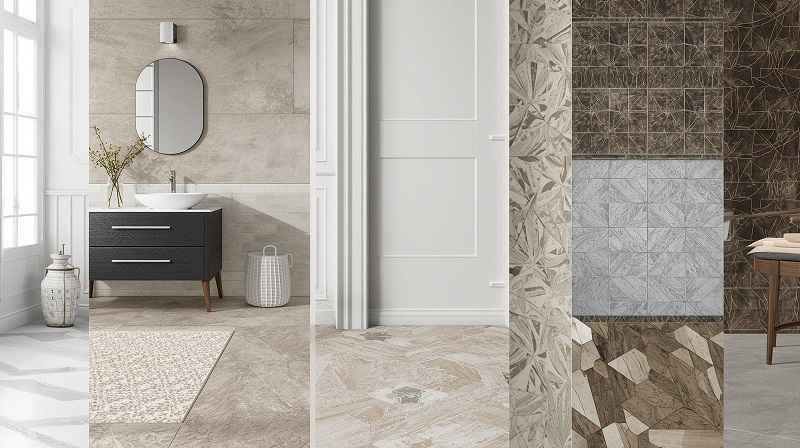
Choosing the right floor is one of the most important decisions in any bathroom remodel. A bathroom may be one of the smaller rooms in a home, but it places some of the biggest demands on materials. Daily moisture, humidity, cleaning, foot traffic, and temperature changes all affect how well the flooring performs over time. At the same time, the floor has a major visual impact. It helps define the style of the room, influences how spacious the bathroom feels, and contributes to the overall quality of the finished remodel.
That is why homeowners spend so much time comparing bathroom flooring options before beginning a project. The best choice is not always the most expensive one, nor is it always the trendiest. The right flooring should suit the way the bathroom is used, support the style of the remodel, fit the budget, and provide dependable long-term performance.
Modern bathrooms require a balance of durability and design. Some homeowners want a clean, minimalist look. Others want warmth, comfort, or a more upscale finish. The good news is that there are several flooring materials that can work well in a bathroom when selected carefully. If you are planning a renovation and exploring professional bathroom remodeling services, understanding the strengths of the main bathroom flooring options can help you make a better decision for your home.
What Makes Bathroom Flooring Different?
Bathroom flooring has to meet different standards than flooring in most other rooms. A material that performs well in a living room or bedroom may not perform nearly as well in a bathroom. The reason is simple: water changes everything.
Bathrooms are constantly exposed to moisture. Steam from showers, water near sinks, wet feet on the floor, and the possibility of leaks all create a demanding environment. Flooring needs to resist or tolerate that moisture while still maintaining its appearance and structure. If it cannot, the results may include staining, swelling, deterioration, mold risk, or expensive repairs.
Beyond moisture, bathroom flooring also affects safety and comfort. A surface that becomes too slippery when wet can be a concern. A material that feels too cold or harsh underfoot may not provide the user experience a homeowner wants. The ideal bathroom floor needs to support the room both visually and functionally.
Tile: A Classic and Durable Option
Tile remains one of the most established bathroom flooring options because it offers excellent durability and strong moisture resistance when installed correctly. For many homeowners, tile is the first material they consider because it has long been associated with bathrooms and can suit many styles, from traditional to highly modern.
One of tile’s biggest strengths is variety. It is available in many shapes, colors, textures, and patterns, making it easier to match almost any design concept. Homeowners can choose large-format tile for a sleek modern look, patterned tile for added character, or neutral finishes for a clean and timeless appearance.
Tile is also known for durability. It can hold up well under heavy daily use and, in most cases, remains one of the most water-friendly flooring choices. However, there are trade-offs. Tile can feel colder and harder underfoot than some other materials, and grout lines require ongoing attention to stay clean and visually fresh. Installation can also be labor-intensive, which may increase the total cost of the project.
For homeowners who prioritize long-term durability and a classic bathroom finish, tile often remains a strong contender.
Vinyl Flooring: Practical and Versatile
Vinyl flooring has become one of the most popular bathroom flooring options in recent years because it offers a practical combination of style, comfort, and moisture resistance. Many homeowners appreciate vinyl because it works well in bathrooms while often being more budget-friendly than some premium tile or stone choices.
One of the biggest advantages of vinyl flooring is versatility. It is available in many designs, including looks inspired by wood, tile, and stone. This gives homeowners more freedom to create the style they want without being limited to a traditional bathroom appearance. Vinyl can support modern, transitional, or even spa-inspired designs depending on the selected finish.
Vinyl is also often more comfortable underfoot than tile. It tends to feel warmer and slightly softer, which many homeowners appreciate in a bathroom. Maintenance is usually straightforward, and the material can be a smart option for households that want strong everyday performance with less upkeep.
Because of this balance of comfort, style, and practicality, vinyl flooring continues to be one of the most appealing modern bathroom flooring choices.
Vinyl Plank Flooring: A Popular Wood-Look Alternative
Vinyl plank flooring deserves its own attention because it has become especially popular among homeowners who want the visual warmth of wood without the moisture concerns that come with using real hardwood in bathrooms. As one of the more in-demand bathroom flooring options, it provides a wood-inspired look while still being better suited to the bathroom environment.
This material works particularly well in bathrooms where the design goal is to make the space feel more residential, comfortable, and visually warm. It pairs well with modern vanities, soft color palettes, and contemporary finishes. Many homeowners like the way it softens the overall feel of the room compared with colder or more industrial-looking materials.
Vinyl plank flooring also tends to be easier to maintain than traditional wood and can fit a range of remodeling budgets depending on product quality. For homeowners who want a stylish and practical floor that moves away from the classic tile look, it is often one of the strongest alternatives to consider.
Laminate Flooring: Attractive but More Cautious in Bathrooms
Laminate flooring is another option that sometimes enters the conversation, especially for homeowners who like the look of wood and are trying to manage renovation costs. It can be attractive, comfortable, and visually cohesive when used in interior spaces. However, among bathroom flooring options, laminate generally requires more caution than more moisture-friendly materials.
The main issue is water exposure. Bathrooms place frequent demands on flooring, and laminate is typically more vulnerable to moisture problems than materials like vinyl or tile. In some lower-moisture settings, such as a powder room without a shower or tub, laminate may be more realistic. But in full bathrooms, homeowners often need to think carefully about whether it offers the durability and peace of mind they want.
Laminate may still appeal from a style and budget perspective, but in many bathroom remodeling projects, it is considered less ideal than more water-resistant alternatives. Homeowners who are serious about long-term performance often compare it closely with vinyl before making a choice.
Comfort, Maintenance, and Daily Use Matter Too
When evaluating bathroom flooring options, homeowners often focus first on moisture resistance and appearance. Those are important, but comfort and daily maintenance should also be part of the decision.
A bathroom is used every day, often first thing in the morning and last thing at night. The way the floor feels under bare feet can affect how comfortable the room is to use. Harder surfaces may feel more durable, but softer-feeling materials may create a more welcoming experience.
Maintenance matters as well. Some floors are easier to clean and maintain than others. A beautiful floor that requires constant attention may not be the best fit for a busy household. Homeowners should think realistically about how much upkeep they want, especially in family bathrooms where traffic is high and cleaning needs are frequent.
The best flooring choice is not just the one that looks good on installation day. It is the one that continues to work well in daily life.
Installation Quality Can Affect Any Flooring Material
Even the best bathroom flooring options can underperform if installation is done poorly. A bathroom floor needs a properly prepared subfloor, careful attention around the toilet and vanity, clean transitions, and accurate fitting at edges and corners. In moisture-prone rooms, small mistakes can lead to larger problems later.
Subfloor issues are especially important. If the base beneath the new floor is uneven, damaged, or affected by previous moisture, those conditions should be corrected before installation. Otherwise, the finished floor may not look right or hold up as expected.
That is one reason many homeowners choose professional bathroom remodel contractors when updating a bathroom. Flooring is not just a design choice. It is also a technical one. Professional installation helps ensure that the selected material performs the way it should over time.
How to Choose the Best Bathroom Flooring Option for Your Home
The best floor for one bathroom may not be the best for another. A primary bathroom, guest bath, family bathroom, and powder room can all have different priorities. Homeowners should consider how the room is used, how much moisture it sees, what style they want to create, and how much maintenance they are comfortable with.
Budget also matters, but the cheapest material is not always the most cost-effective in the long run. A floor that looks attractive at first but struggles with moisture or wear may end up costing more over time. It is usually better to think in terms of long-term value rather than just initial price.
It also helps to view flooring as part of the bigger bathroom design. The floor should work with the vanity, shower, paint colors, lighting, and overall tone of the remodel. A bathroom feels stronger when all those elements support each other rather than compete.
Closing Thoughts
There is no single answer for all bathroom flooring options because different homes, budgets, and design goals call for different solutions. Tile remains a durable classic. Vinyl flooring offers practical versatility. Vinyl plank flooring provides warmth and style with better bathroom suitability than real wood. Laminate may work in some cases but usually requires more caution in moisture-heavy spaces.
The right choice comes down to how the bathroom will be used and what matters most to the homeowner. Durability, comfort, maintenance, style, and value all deserve consideration. A good bathroom floor should support the room every day while helping the space feel more polished and complete.
For homeowners planning a remodel, flooring is not just a finishing touch. It is a foundational part of the design. When chosen carefully, it can improve both the appearance and long-term performance of the bathroom in a meaningful way.Next in queue:Siding Installation in Fort Worth: What Homeowners Need to Know Before Starting