
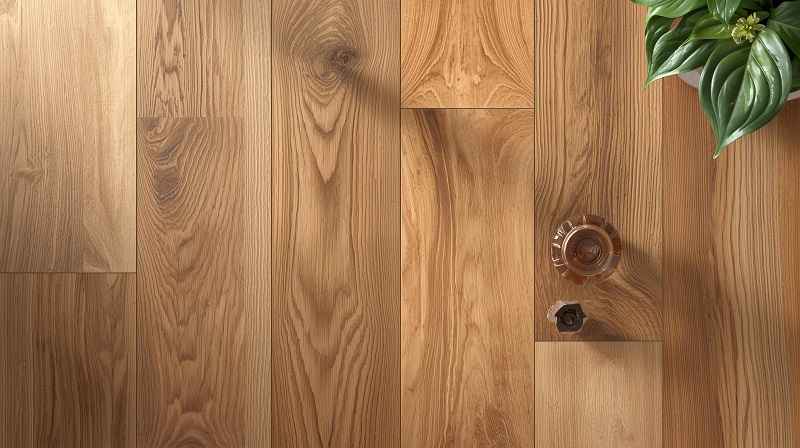
Laminate flooring is a material many homeowners consider when planning interior updates because it offers an attractive appearance, a wide range of styles, and a generally budget-friendly price point. It is especially popular in living areas, bedrooms, and other parts of the home where people want the look of wood without the cost of hardwood. But when it comes to bathrooms, the decision becomes more complicated. Bathrooms create a much different environment than dry living spaces, and that means laminate flooring needs to be evaluated more carefully.
A bathroom floor has to deal with humidity, splashes, wet feet, cleaning products, and constant use. For that reason, homeowners often ask whether laminate flooring is a smart choice in a bathroom remodel or whether another material would make more sense. The answer depends on the product, the installation quality, and the expectations for long-term performance.
Laminate flooring can work in certain bathroom projects, but it is not automatically the best fit for every home. Before choosing it, homeowners should understand both its benefits and its limitations. If you are exploring professional bathroom remodeling services, it helps to know exactly where laminate flooring stands in comparison to other bathroom-friendly flooring options.
What Laminate Flooring Offers in a Remodel
Laminate flooring became popular because it gives homeowners a wood-inspired appearance at a lower price than traditional hardwood. It is available in many colors, styles, and textures, which makes it flexible for different design preferences. Some products have a realistic surface look that can support modern, classic, or transitional interiors without requiring a luxury-level flooring budget.
Another reason homeowners are drawn to laminate flooring is comfort. Compared with colder, harder materials, it can feel warmer and more comfortable underfoot. That matters in a bathroom where people often walk barefoot during morning and evening routines.
Laminate also tends to be relatively easy to clean and can provide a uniform, polished look throughout a room. For homeowners trying to create visual continuity between nearby spaces, laminate flooring may seem appealing as a way to connect the bathroom with adjacent rooms that use similar tones or styles.
These advantages are real, which is why laminate flooring continues to come up in bathroom remodeling conversations. However, its suitability in a bathroom depends on more than appearance alone.
The Main Concern: Moisture Exposure
The biggest issue with laminate flooring in bathrooms is moisture. Bathrooms are high-humidity areas where the floor is regularly exposed to steam, water drips, splashes, and damp traffic. Even when spills are cleaned up quickly, repeated moisture exposure is part of the daily environment.
That matters because laminate flooring is generally more sensitive to water than some alternative materials commonly used in bathrooms. While some modern laminate products offer improved water resistance, homeowners still need to understand that a bathroom is one of the most demanding rooms in the house for flooring performance.
If moisture penetrates seams or affects the material beneath the surface, it can lead to swelling, edge lifting, warping, or deterioration over time. This is one reason why laminate flooring often requires more caution in bathrooms than in other rooms. Homeowners attracted to the look of laminate should weigh whether the visual appeal is worth the added risk compared with more moisture-tolerant options.
The Pros of Laminate Flooring in Bathroom Projects
Even with moisture concerns, laminate flooring does offer some benefits that make it worth discussing.
One of the biggest advantages is cost. Laminate is often more affordable than hardwood and may also be less expensive than certain tile or premium flooring installations. For homeowners managing a remodeling budget, this can make it appealing at first glance.
Style variety is another strength. Laminate flooring is available in a wide range of finishes that can resemble wood, stone, or other textures. That makes it easier to coordinate with vanities, paint colors, mirrors, and other bathroom features.
Comfort is also a benefit. Compared with tile, laminate can feel softer and warmer underfoot, which can improve the day-to-day experience of using the bathroom. This is especially appealing in homes where people prefer a more comfortable floor in the morning.
Laminate may also offer a cleaner and more continuous visual effect than some heavily patterned tile installations. In smaller bathrooms, that can help the space feel more open and less visually busy.
The Cons Homeowners Need to Understand
The disadvantages of laminate flooring in bathrooms are what usually make homeowners pause. Moisture sensitivity remains the biggest concern, but it is not the only one.
Bathrooms are not just places where water occasionally appears. They are rooms where humidity builds regularly, and that repeated exposure matters over time. Even a high-quality laminate product can struggle if water finds its way into seams, under edges, or around plumbing fixtures.
Another limitation is durability under bathroom-specific conditions. A floor that performs well in a bedroom or hallway may not hold up the same way in a bathroom. Water around the toilet base, splashes near the tub, and lingering moisture after showers all create long-term stress on the material.
Repair can also be more complicated than some homeowners expect. If part of the floor becomes damaged from moisture, replacing isolated areas may not always be simple depending on the installation pattern and product type. That can affect both maintenance planning and long-term cost.
For homeowners seeking the most moisture-reliable solution for a bathroom, laminate flooring is often considered less dependable than certain alternatives.
When Laminate Flooring Might Still Make Sense
There are situations where laminate flooring may still be considered in a bathroom project. For example, a low-traffic powder room without a shower or tub may present less moisture exposure than a full bathroom used by a family every day. In that kind of setting, laminate flooring may be more realistic as part of the design plan.
It may also be considered when a homeowner strongly prefers a specific visual style and is committed to selecting a more water-resistant laminate product installed with care. Even then, expectations should remain realistic. The room’s use patterns, the household size, and the level of moisture exposure all matter.
Still, in full bathrooms, primary bathrooms, and family bathrooms, homeowners often find that more moisture-tolerant flooring materials provide greater peace of mind over the long term.
Laminate Flooring vs Vinyl Flooring in Bathrooms
One of the most useful comparisons for homeowners is laminate flooring versus vinyl flooring. Both can offer a wood-inspired appearance and a relatively accessible price point, but their performance in bathrooms is often viewed differently.
Vinyl flooring is typically favored in bathroom remodeling because it is widely recognized as more suitable for moisture-prone environments. It is often selected by homeowners who want practicality, easier maintenance, and stronger water resistance in a room exposed to daily humidity.
Vinyl plank flooring, in particular, has become a popular alternative for homeowners who like the look of laminate or hardwood but want a material that is better aligned with bathroom conditions. In many remodeling projects, vinyl becomes the more practical recommendation when the goal is balancing style with moisture performance.
That does not mean laminate has no place in the conversation. It means homeowners comparing the two should understand why vinyl is so often preferred for full bathroom applications.
Installation Quality Is Critical
If laminate flooring is used in a bathroom, installation quality becomes especially important. The subfloor must be clean, level, and dry. Edges, seams, and transitions need to be handled with precision, and any vulnerable areas around plumbing fixtures or room perimeters should be treated carefully.
Poor installation increases the chance that moisture will find weak points in the flooring system. That can shorten the lifespan of the material and reduce the value of the remodel. Bathrooms are detail-sensitive spaces, and a small mistake can create much larger problems over time.
This is one reason many homeowners turn to experienced bathroom remodel contractors when evaluating flooring decisions. Professional guidance can help determine whether laminate flooring is realistic for the specific bathroom or whether another material would be a safer long-term choice.
Cost vs Long-Term Value
Laminate flooring may appear attractive from a cost perspective, but homeowners should think beyond the initial material price. The true value of bathroom flooring depends on how well it performs over time, how much maintenance it requires, and how likely it is to need replacement earlier than expected.
If a lower-cost material creates a higher risk of moisture-related issues, that savings may not feel worthwhile later. Flooring that needs repair, replacement, or ongoing caution can reduce the practical value of the remodel. A bathroom should support convenience, not make homeowners feel anxious every time water reaches the floor.
For that reason, the smartest choice is often the one that balances budget with realistic performance expectations.
How to Decide If Laminate Flooring Is Right for Your Bathroom
The best way to evaluate laminate flooring is to consider the specific bathroom, not just the material in general. Ask how the room is used. Is it a heavily used family bathroom or a less active powder room? Does it include a shower or tub? How often is moisture likely to remain on the floor? Is visual style the main goal, or is long-term durability more important?
Homeowners should also compare laminate with alternatives before making a final decision. In some cases, laminate may align with the room and budget. In others, a more water-friendly material may provide stronger long-term results with fewer worries.
The flooring should support the overall remodeling strategy, not work against it.
Closing Thoughts
Laminate flooring can offer visual appeal, comfort, and cost advantages, but bathrooms are challenging spaces that demand careful material selection. While laminate may work in some low-moisture bathroom settings, it is not always the strongest choice for full bathrooms where humidity and water exposure are part of daily life.
That is why homeowners should evaluate laminate flooring with realistic expectations. The right decision depends on the type of bathroom, the quality of the product, the installation method, and the importance of long-term moisture performance. In many cases, alternative materials may provide greater durability and less risk over time.
For homeowners planning a bathroom remodel, choosing flooring is about more than style. It is about selecting a material that supports the way the space will actually be used. When that decision is made carefully, the remodel has a much better chance of delivering lasting value and everyday satisfaction.