
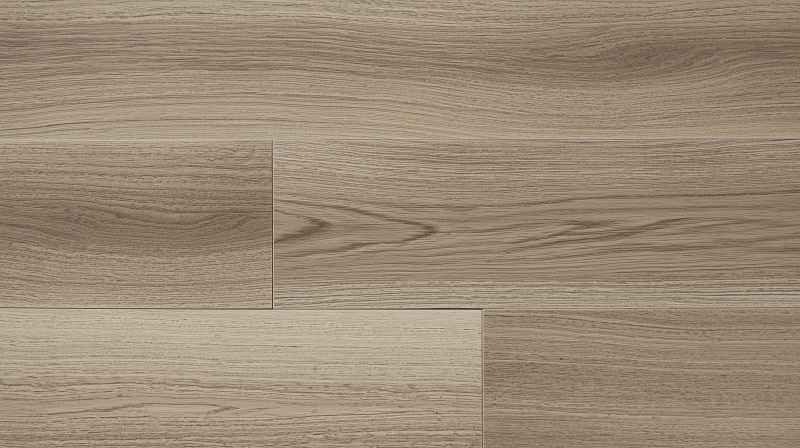
Vinyl plank flooring has become a top choice for homeowners who want the look of wood without the maintenance concerns that come with using real hardwood in moisture-prone spaces. In bathroom remodeling, that combination is especially appealing. People want floors that feel warm, look stylish, and can hold up better against humidity, splashes, and daily wear. That is why vinyl plank flooring continues to gain attention as a practical and design-friendly option.
A bathroom floor has to do more than match the room visually. It needs to support the function of the space every day. It must tolerate moisture, be easy to clean, and work well with the overall remodeling goals. The right flooring can make the bathroom feel more modern, more comfortable, and more complete. The wrong flooring can create maintenance problems and shorten the lifespan of the upgrade.
For homeowners trying to compare flooring materials, vinyl plank flooring often stands out because it offers a wood-inspired appearance with a more bathroom-appropriate performance profile. If you are considering a remodel and looking into professional bathroom remodeling services, this guide will help you understand whether vinyl plank flooring is the right fit for your bathroom project.
What Makes Vinyl Plank Flooring So Popular?
Vinyl plank flooring is popular because it combines aesthetics with practicality. Many homeowners love the appearance of wood-look flooring, but they know that bathrooms are not ideal places for traditional hardwood. Moisture, steam, and everyday splashes can create long-term issues for materials that are sensitive to water. Vinyl plank flooring offers an alternative that captures much of the same visual warmth while being more suitable for bathroom environments.
Another reason for its popularity is variety. Vinyl plank products are available in a wide range of colors, wood tones, textures, and finish styles. This gives homeowners flexibility when matching the floor to vanities, wall colors, hardware, and shower materials. Whether the design goal is modern, rustic, transitional, or clean and minimal, there is usually a vinyl plank style that can support it.
Comfort also plays a role. Compared with harder surfaces like traditional tile, vinyl plank flooring often feels warmer and slightly softer underfoot. In a bathroom, where people frequently walk barefoot, that can make a noticeable difference in how inviting the room feels.
Is Vinyl Plank Flooring Good for Bathrooms?
One of the most common questions homeowners ask is whether vinyl plank flooring is actually a good choice for bathrooms. In many cases, the answer is yes. Vinyl plank flooring is often selected for bathroom remodels because it offers strong moisture resistance and easier maintenance than some alternative flooring materials.
That said, not all flooring products are identical. Quality matters, and so does installation. A well-made vinyl plank product installed properly can perform very well in a bathroom setting. It can handle everyday exposure to humidity and occasional splashes without the same concerns associated with more moisture-sensitive materials.
However, homeowners should still understand that bathrooms are demanding spaces. The floor must be installed carefully, especially around edges, seams, toilets, tubs, and transitions. Moisture control and proper subfloor preparation remain essential. Vinyl plank flooring can be highly effective in bathrooms, but the success of the result depends on choosing the right product and ensuring that it is installed correctly.
The Benefits of Vinyl Plank Flooring in Bathroom Remodels
There are several reasons why vinyl plank flooring works so well in bathroom remodeling projects.
One of the biggest benefits is appearance. Homeowners who want a wood-look floor in the bathroom often find vinyl plank flooring to be one of the most realistic and attractive solutions available. It can add warmth to the room and create a more comfortable, residential feel than colder surfaces sometimes do.
Another benefit is durability. Bathrooms are used frequently, and the floor needs to stand up to regular foot traffic, cleaning, and daily routines. Many vinyl plank products are designed with protective wear layers that help resist scratches, dents, and general wear.
Maintenance is also a major advantage. Vinyl plank flooring is usually easy to clean and does not require the same level of upkeep as some other flooring materials. For busy households, that convenience matters. Homeowners want a floor that continues to look presentable without requiring excessive attention.
Cost is another appealing factor. Vinyl plank flooring can often provide an upscale visual effect at a lower cost than natural wood or certain premium tile installations. That makes it attractive for remodels where the budget needs to cover multiple upgrades at once.
Design Advantages for Modern Bathrooms
Bathroom remodeling is not just about performance. It is also about creating a space that feels updated, cohesive, and appealing. Vinyl plank flooring works well in modern remodels because it blends visual softness with clean design flexibility.
Wood-look flooring can help balance harder bathroom surfaces such as stone countertops, tile walls, glass shower enclosures, and metal fixtures. It introduces warmth into the design and can make the room feel less sterile. This is especially useful in bathrooms where homeowners want a spa-like look or a more inviting atmosphere.
In smaller bathrooms, vinyl plank flooring can also help simplify the visual layout. A continuous floor pattern often makes the room feel more open and less cluttered than a floor with many breaks or busy design changes. In larger bathrooms, it can create a polished backdrop for more dramatic vanities or walk-in shower features.
Because the flooring usually covers the entire room, it has a major influence on the final impression of the remodel. Vinyl plank flooring gives homeowners a way to shape that impression without losing sight of practical performance.
Cost Considerations and Value
The total cost of vinyl plank flooring in a bathroom depends on product quality, room size, subfloor condition, and installation requirements. Basic products may cost less at the start, but premium options often offer better texture, more realistic visuals, stronger wear layers, and better overall durability.
Installation costs can also vary depending on the complexity of the bathroom. Tight spaces, detailed cuts, fixture removal, and subfloor repairs all affect labor time. If the existing floor is uneven or damaged, preparation work may need to happen before the new material can be installed. These issues are common in older bathrooms and should be considered early in the planning process.
Even with these factors, vinyl plank flooring often remains a strong value choice for bathroom remodeling. It can provide the look homeowners want while keeping the project more manageable financially than some alternative flooring materials. For many remodels, that balance of cost and appearance makes it an attractive option.
Installation Quality Is Essential
When homeowners think about flooring, they often focus mostly on style and price. But installation quality is just as important, especially in a bathroom. Vinyl plank flooring needs a properly prepared surface beneath it. The subfloor must be level, stable, and free from moisture-related damage that could affect the finished floor over time.
Bathrooms also require attention to detail in problem areas. The perimeter of the room, the base of the toilet, the area around the tub or shower, and any transitions to nearby flooring all need to be handled carefully. A rushed or poorly executed installation can reduce the durability and appearance of even a good flooring product.
This is one reason many homeowners choose experienced bathroom remodel contractors rather than treating bathroom flooring like a simple do-it-yourself task. Bathrooms may be compact, but they require precision. Professional installation helps protect the investment and supports a more polished final result.
Vinyl Plank Flooring vs Other Bathroom Flooring Choices
Homeowners comparing flooring options often weigh vinyl plank flooring against tile, laminate, sheet vinyl, and other materials. Each has its place, but vinyl plank flooring offers a specific combination of visual appeal and practicality that makes it especially compelling.
Compared with tile, vinyl plank flooring usually feels warmer and softer underfoot. Tile can be very durable, but it may also be colder, harder, and more labor-intensive to install. Vinyl plank flooring can deliver a more comfortable feel while still supporting an attractive design.
Compared with laminate flooring, vinyl plank is often viewed as the safer choice in moisture-prone rooms. Bathrooms create conditions where water resistance matters greatly, and vinyl products are typically selected with that concern in mind.
Compared with traditional hardwood, vinyl plank offers a similar visual direction without the same level of vulnerability to moisture. For homeowners who love the look of wood but know the bathroom is a challenging place for it, vinyl plank often represents the best compromise.
When Vinyl Plank Flooring Makes the Most Sense
Vinyl plank flooring makes sense in many types of bathroom remodels, especially when homeowners want a balance of style, comfort, and practical maintenance. It works well in family bathrooms, primary bathrooms, and smaller guest baths where the goal is to modernize the room without creating unnecessary upkeep.
It is particularly appealing in remodels where other budget priorities also matter. A homeowner may want to invest in a better shower, upgraded vanity, improved lighting, or plumbing changes while still choosing a floor that looks polished and holds up well. In that context, vinyl plank flooring can support the overall design without consuming too much of the remodeling budget.
It is also a strong choice for homeowners who prefer a softer, more residential aesthetic rather than a bathroom dominated by hard surfaces.
Closing Thoughts
Vinyl plank flooring has earned its place as a smart option for bathroom remodels because it offers a strong combination of visual warmth, moisture resistance, comfort, and value. It allows homeowners to achieve a wood-look style in a room where real hardwood is often less practical, and it supports a wide range of design goals from modern to classic.
Like any remodeling material, its success depends on choosing the right product and installing it properly. A well-planned bathroom floor should not only look attractive, but also hold up well over time and contribute to a more functional, enjoyable space.
For homeowners exploring bathroom upgrades, vinyl plank flooring is often worth serious consideration. When selected thoughtfully and paired with professional execution, it can help create a bathroom that feels modern, welcoming, and built for everyday life.