
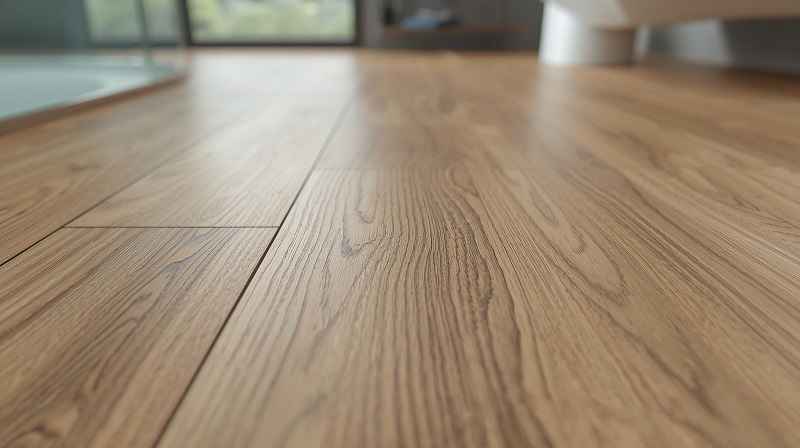
Vinyl flooring has become one of the most popular options for bathroom upgrades, and for good reason. Homeowners want a surface that looks attractive, holds up well in a high-moisture environment, and does not require the same level of maintenance or cost as some other materials. When planning a bathroom remodel, flooring is one of the most important decisions because it affects not only the style of the room, but also durability, comfort, cleaning, and long-term value.
Bathrooms place unique demands on flooring. The material needs to handle humidity, occasional splashes, frequent cleaning, and daily foot traffic. At the same time, homeowners want the floor to complement the rest of the design, whether the goal is modern, classic, budget-friendly, or upscale. That is why vinyl flooring continues to stand out as a practical and versatile solution for many remodeling projects.
For homeowners comparing different flooring options, vinyl often offers an appealing balance of water resistance, design variety, affordability, and comfort underfoot. If you are exploring a bathroom update and considering professional bathroom remodeling services, understanding how vinyl flooring works in bathrooms can help you make a more confident decision.
Why Vinyl Flooring Works Well in Bathrooms
One of the main reasons homeowners choose vinyl flooring for bathrooms is its ability to perform well in moisture-prone conditions. Bathrooms are exposed to steam, spills, damp feet, and regular cleaning, so the flooring material must be able to tolerate that environment without breaking down too quickly.
Vinyl flooring is known for being water-resistant, and in many product types, highly moisture-tolerant. This makes it a strong option for bathrooms where durability is just as important as appearance. Unlike some materials that may swell, stain, or become difficult to maintain over time, vinyl is designed to be practical for active areas of the home.
Another advantage is comfort. Vinyl flooring tends to feel warmer and softer underfoot than harder materials such as ceramic tile. That difference can be especially noticeable in bathrooms, where people often walk barefoot in the morning or after a shower. The added comfort can make the room feel more welcoming without sacrificing performance.
Vinyl is also available in a wide range of styles. Homeowners can find designs that mimic wood, stone, or tile while maintaining the easier upkeep associated with vinyl products. This flexibility allows the floor to support many types of bathroom designs without forcing the project into a narrow aesthetic direction.
The Main Benefits of Vinyl Flooring
The popularity of vinyl flooring in bathroom remodeling is tied to several practical benefits that homeowners consistently value.
The first is affordability. In many cases, vinyl flooring costs less than premium tile or natural stone while still delivering an attractive finished look. This can help homeowners allocate more of their remodeling budget toward other important upgrades such as vanities, lighting, showers, or plumbing improvements.
The second is maintenance. Bathrooms need surfaces that are easy to clean and able to handle regular use. Vinyl flooring is generally straightforward to maintain, which makes it appealing for busy households. It does not usually require sealing, polishing, or specialized treatment to stay presentable.
The third is design versatility. Many modern vinyl products are visually impressive and available in styles that work with both traditional and contemporary bathrooms. Whether the goal is a clean neutral look, a wood-inspired finish, or a surface that resembles stone, vinyl often provides multiple options.
Finally, vinyl flooring can be quicker to install than some other materials, depending on the product type and the condition of the subfloor. A smoother installation process can be helpful for homeowners who want to reduce disruption during a remodel.
Cost Factors Homeowners Should Consider
Although vinyl flooring is often viewed as budget-friendly, the final cost depends on several factors. Product quality, room size, installation complexity, subfloor preparation, and finish level all influence the total investment.
Entry-level vinyl products may be more affordable upfront, but not all options offer the same durability or visual quality. Higher-grade vinyl flooring often provides better wear layers, stronger water resistance, improved texture, and a more realistic appearance. In many cases, paying a bit more for a better product can lead to stronger long-term value.
Installation costs also vary. A straightforward bathroom with a simple layout may cost less to complete than one with tight corners, irregular cuts, toilet removal, or extensive preparation work. The condition of the subfloor is another major factor. If the existing floor is uneven, damaged, or affected by moisture, repairs may be necessary before new flooring can be installed properly.
Homeowners should also think beyond material price alone. The least expensive flooring option is not always the smartest if it wears out quickly or does not hold up well in a bathroom environment. A well-chosen vinyl floor should support both appearance and durability.
Different Types of Vinyl Flooring for Bathroom Projects
Not all vinyl flooring products are exactly the same, and understanding the difference can help homeowners choose the best fit for their remodeling goals.
Sheet vinyl is one option often used in moisture-prone areas because it can create a more continuous surface with fewer seams. Fewer seams may help reduce the risk of water working its way into vulnerable areas, especially when installed correctly.
Luxury vinyl products are another popular category. These often come in planks or tiles and are designed to offer a more upscale appearance. Many homeowners prefer them because they can mimic wood or stone while still delivering practical performance in the bathroom. Vinyl plank flooring, in particular, has become popular for homeowners who want the visual warmth of wood-like flooring in a more bathroom-friendly material.
There are also peel-and-stick vinyl products on the market, though these are generally more common in budget-conscious or temporary updates than in higher-quality remodels. For a lead-focused, service-driven bathroom remodeling site, it is usually better to position professional installation and longer-lasting material options as the stronger long-term solution.
Installation Matters More Than Many People Expect
Even a quality flooring product can underperform if it is installed incorrectly. Proper installation is one of the most important parts of a successful bathroom flooring upgrade because moisture, seams, edges, and transitions all need to be handled carefully.
Subfloor preparation is critical. The floor underneath the vinyl must be clean, level, and stable. Any imperfections can affect how the finished floor looks and performs. Uneven areas may lead to visible flaws, while moisture issues beneath the surface can shorten the lifespan of the installation.
Bathrooms also require attention around the toilet, tub, vanity, and wall edges. These areas need precise cuts and proper sealing where appropriate. The better the installation, the more polished and durable the final result will be.
This is one reason many homeowners choose professional bathroom remodel contractors instead of attempting flooring installation on their own. Bathrooms may be smaller than other rooms, but they demand careful detail work and moisture-aware planning.
Vinyl Flooring vs Other Bathroom Flooring Options
Homeowners comparing materials often want to know how vinyl stacks up against alternatives. While tile remains a classic bathroom flooring choice, it is not always the best fit for every budget or every homeowner’s priorities. Tile can be highly durable and attractive, but it may also feel colder underfoot, require more labor to install, and involve ongoing grout maintenance.
Laminate flooring is another option that some homeowners consider, but in bathrooms, moisture exposure makes product selection more important. Depending on the material and installation quality, laminate may be less forgiving in wet conditions than well-chosen vinyl flooring.
Hardwood is typically less common in bathrooms because moisture can be a concern over time. Homeowners who want a wood-look style in the bathroom often turn to vinyl for that reason. It can provide a similar visual effect while being more practical for the room’s environment.
In many remodeling scenarios, vinyl offers a middle ground that combines style, comfort, and performance at a manageable price point.
Best Design Situations for Vinyl Flooring
Vinyl flooring works well in a wide variety of bathroom styles. It can suit compact guest bathrooms, family bathrooms, primary bathrooms, and even powder rooms where homeowners want a cleaner and more updated appearance.
In smaller bathrooms, vinyl can support a bright, cohesive look that helps the room feel more open. In larger bathrooms, it can complement features such as double vanities, walk-in showers, and modern lighting without pulling too much budget away from other upgrades.
Homeowners who want a warmer and more comfortable feel often appreciate vinyl flooring in bathrooms where people spend more time getting ready. The material also fits well in remodels where the goal is to balance visual improvement with sensible spending.
How to Choose the Right Vinyl Flooring for Your Bathroom
The best vinyl flooring choice depends on the goals of the remodel. Homeowners should consider moisture resistance, design style, durability, texture, maintenance needs, and total budget before making a final selection.
It also helps to think about the rest of the bathroom. The flooring should work well with the vanity, wall color, shower tile, hardware finishes, and overall design direction. A bathroom remodel feels stronger when each surface supports a unified look.
Durability is especially important in homes with children, pets, or heavy daily use. A bathroom floor should be able to handle regular traffic without looking worn too quickly. Better-quality vinyl products usually offer stronger protection against scratches, dents, and wear.
Professional input can also be valuable during the selection process. Contractors and remodeling specialists can often help homeowners compare materials based on both appearance and real-world performance.
Closing Thoughts
Vinyl flooring remains one of the most practical and attractive choices for bathroom remodeling because it offers a strong combination of moisture resistance, comfort, affordability, and design flexibility. For many homeowners, it delivers the look they want without the higher cost or maintenance demands of some alternative materials.
The right bathroom floor should do more than look good on installation day. It should continue to perform well under daily use, support the overall design of the room, and contribute to a bathroom that feels cleaner, more modern, and easier to maintain.
For homeowners planning a remodel, vinyl flooring is well worth considering as part of a balanced and functional design strategy. When chosen carefully and installed correctly, it can provide long-lasting value and a polished finish that improves the entire bathroom.